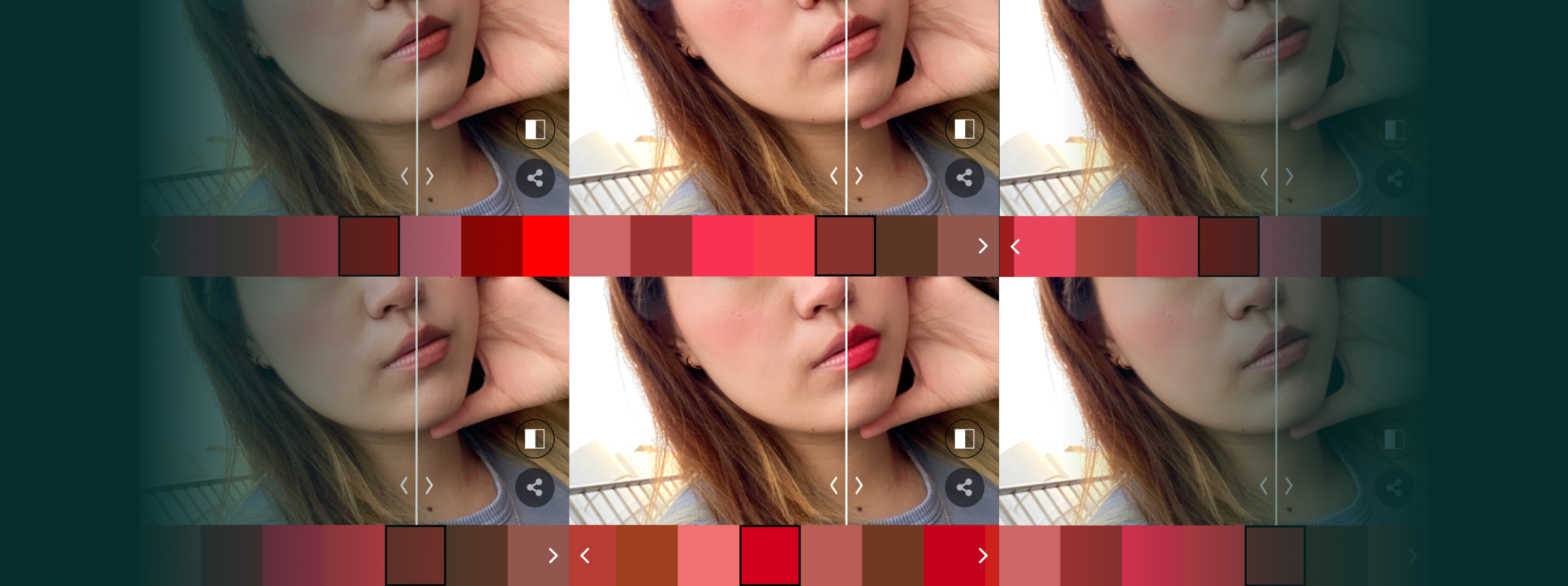
Online shopping has always relied on imagination. Consumers are asked to picture how a colour might suit them, how a cut might fall, or how a product will look once it leaves the carefully styled world of campaign imagery. That gap between viewing and buying is often where hesitation begins, and where many purchases quietly fall apart.
Virtual Try-On addresses this moment directly.
The gap between liking and buying
Most shoppers do not abandon a purchase because they dislike a product. They hesitate because they are unsure. Studies consistently show that uncertainty is one of the biggest drivers of online returns, particularly in categories like fashion and beauty, where fit and appearance are highly personal.
I have experienced this myself with cosmetics. When buying lipstick online, I used to rely on influencer content, watching swatches on arms, observing shades under studio lighting, and convincing myself it would translate. In theory, it made sense. In reality, it rarely did.
Skin tone and undertone make a significant difference. Colour theory exists for a reason: the same shade can appear completely different on different people. A lipstick that looked like a soft nude pink on an influencer once arrived and turned neon pink on me. The result was familiar: disappointment, then a return.
Context changes decisions
Virtual Try-On reduces this uncertainty by shifting the experience from abstraction to context. Instead of asking shoppers to imagine, it allows them to see themselves in the product.
This shift has measurable effects. Brands that implement Virtual Try-On often report meaningful improvements, with conversion rates rising and return rates dropping by 20–40% when shoppers engage with the feature. The reason is simple: people make better decisions when they can visualise outcomes more clearly.
This is especially powerful in fashion. Virtual try-on tools that create a 3D model from a few images allow shoppers to see how a garment might sit on their own body, not a standardised one. The cut, proportions, and material behaviour become easier to assess, making decisions feel more certain.
There is, however, an interesting tension here. Seeing oneself in a product is rarely as aspirational as seeing a model. Models exist to sell a feeling, an idealised version of how something could look. Virtual Try-On does something different. It prioritises realism over fantasy.
For some shoppers, this can feel confronting. But from a strategic perspective, realism builds trust. It sets clearer expectations and helps shoppers decide whether a product genuinely works for them, rather than whether it looks good in a campaign image.
Designing for certainty
The best Virtual Try-On experiences don’t feel like features. They simply slot into the journey, giving people a clearer sense of what works before they commit. When done well, they replace uncertainty with reassurance.
Virtual Try-On succeeds not because it is advanced technology, but because it respects how people decide. By narrowing the gap between liking a product and feeling confident enough to buy it, brands move closer to something more valuable than aspiration alone: certainty.
References:
https://instabanana.com/blog/virtual-try-on-statistics-data-driven-insights/
https://www.stytrix.com/blog/ai-virtual-try-on-reshaping-fashion-ecommerce-2026